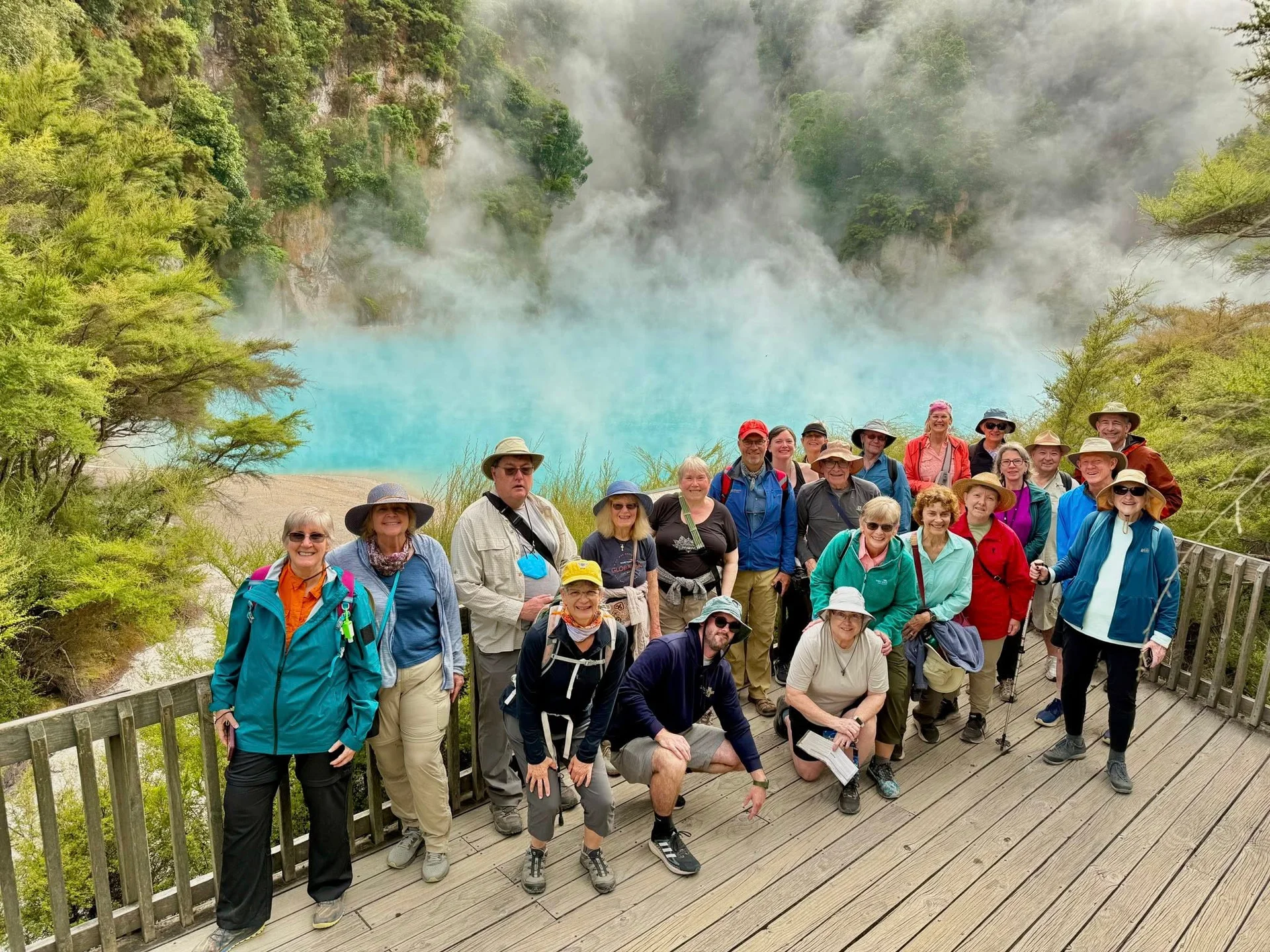
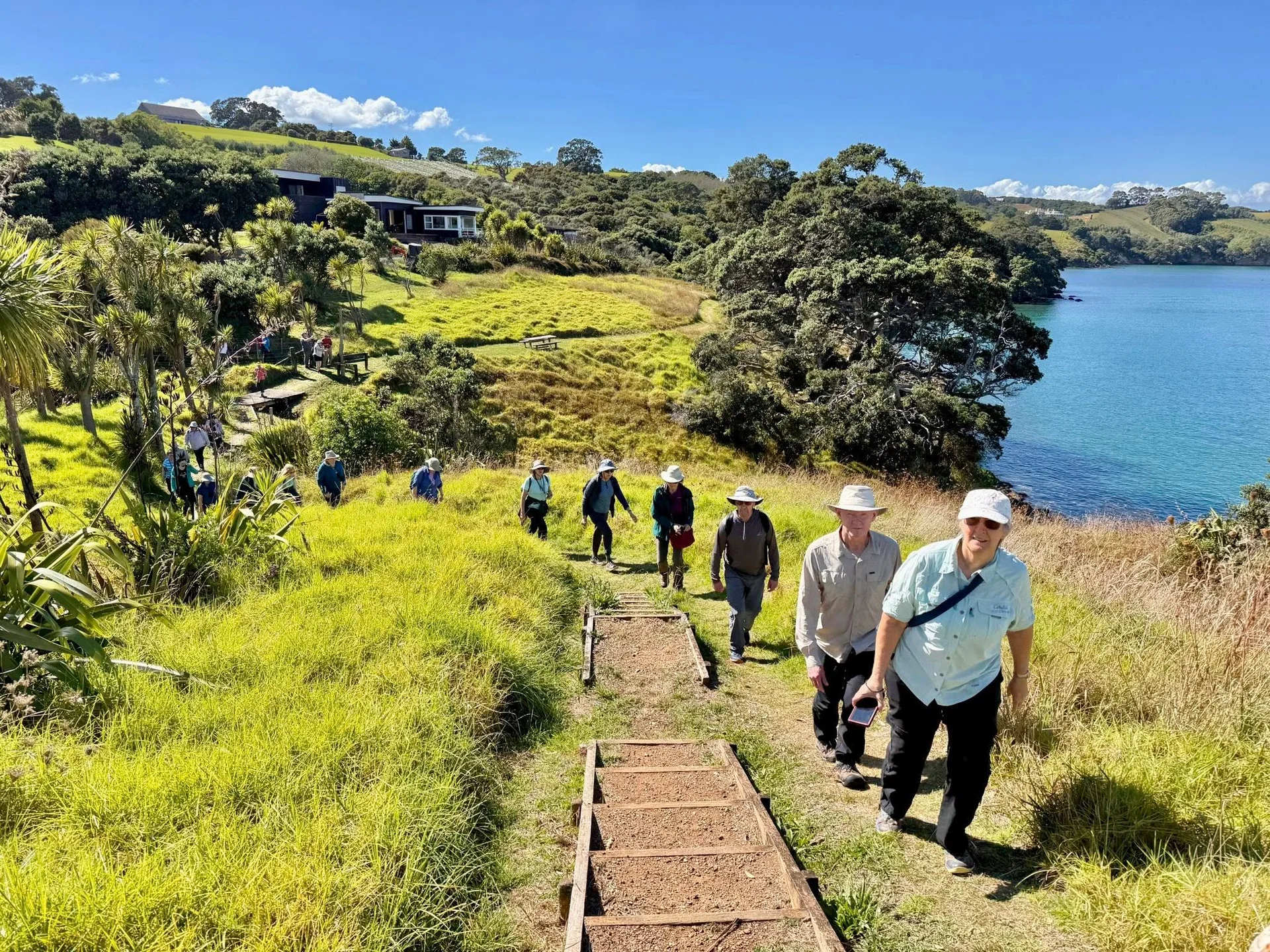
The question usually comes quietly. Sometimes it comes by email after someone has looked at a beautiful itinerary and then noticed the walking distances. Sometimes it comes over the phone, after a pause: Am I fit enough for this?
It is a good question. It is also a better question than Is this easy? or Is this hard? A walking tour is not one thing. A week of city walks, coastal paths, and village lanes asks something different of your body than a mountain itinerary with long climbs and uneven trail. A tour with one hotel and daily outings feels different from a tour that changes hotels often, even if the walking distances look similar on paper.
The honest answer is this: most WAI travelers are active adults, not extreme athletes. You do not need to be a hiker with a closet full of technical gear. You do need to be someone who enjoys walking, can move comfortably through a full travel day, and is willing to prepare before you go.
How Far Do You Actually Walk?
On many WAI tours, walks range from a couple of miles to about six or seven miles in a day. Some tours with established long-distance routes may cover more ground on certain days, but those are the exception rather than the everyday expectation. Often, the walking is split into segments: a morning walk through a historic center, a shorter trail after lunch, maybe a viewpoint walk before dinner.
The pace is steady and relaxed, roughly two miles per hour, with time for guide commentary, photos, water breaks, and the normal accordion effect of a group spreading out and coming back together. It is not a forced march. It is also not a window-shopping stroll. You should be comfortable being on your feet for several hours in a day, even when the total mileage is modest.
The honest test isn’t a single number. It’s whether you enjoy being on your feet for several hours at a time, with breaks, and feel ready to do it again the next day. Tours range widely — some are gentler city and coast itineraries, others involve more trail and elevation. The right match depends on terrain, hills, heat, altitude, hotel changes, and how much downtime the itinerary includes. That is why WAI uses Adventure Pace ratings instead of a single generic label like easy or moderate.
The Two Numbers Matter
Every WAI tour has two ratings. Tour Pace measures the overall intensity of the trip: hotel changes, driving days, schedule fullness, elevation, flights within the tour, and the general rhythm of the itinerary. Walk Challenge measures the walks themselves: distance, terrain, elevation gain, and surface.
That distinction matters. A tour can have easy walking but a busy travel rhythm. Another can have a relaxed schedule with one or two more demanding trail days. Those are different experiences, and they suit different travelers.
The best walking tour is not the hardest one you can survive. It is the one you can enjoy day after day.
Look at both numbers before you fall in love with the photographs. If you are newer to walking tours or coming back after a slower season, start by looking for lower Tour Pace and lower Walk Challenge ratings. If you walk regularly, handle hills well, and enjoy a bit of trail texture, you may be comfortable with a moderate Walk Challenge even if you do not think of yourself as a hiker.
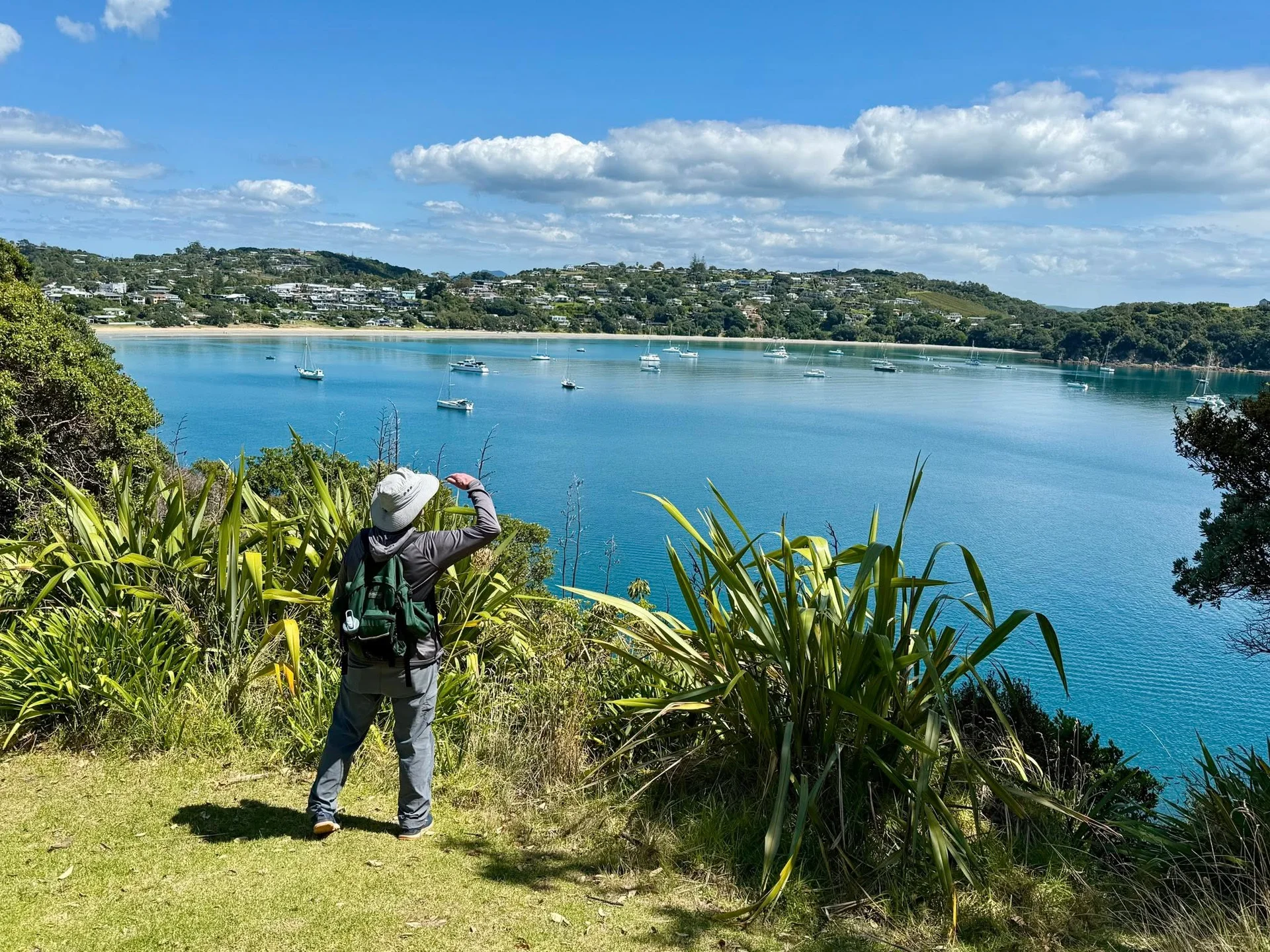
Two WAI guides travel with every group, so the daily rhythm has support at the front and the back.
What Happens If You Need a Lighter Day?
This is where a guided walking tour differs from heading out alone. WAI sends two guides with every group. One leads; one sweeps at the back. The group naturally stretches out, and the guides monitor the pace so no one falls behind unnoticed.
On more demanding walking days, a shorter or easier option is often available. On some tours, that might mean a support vehicle meets part of the group. On others, it might mean skipping the longer trail and rejoining everyone for lunch, a cultural visit, or the next town. Every walk is optional, and your guides can help you think through the day.
The important thing is expectation. WAI is a walking-first company. The group will not reshape the entire itinerary around a non-walking traveler, and travelers with significant mobility concerns should talk through the specific trip before booking. But people slow down. People have tired knees. People wake up one morning and decide that the view from a cafe is exactly the right pace for that day. That is normal, and it can be handled well when everyone is honest early.
How to Prepare Without Overthinking It
The best preparation is not dramatic. It is consistent. If you are not walking regularly at home, start there. The goal is not to turn yourself into a different person before departure. The goal is to make your travel days feel familiar to your body.
- Walk several days a week, then gradually lengthen one walk until six miles feels manageable.
- Practice walking two days in a row. Recovery is part of fitness, especially on multi-day tours.
- Add hills or stairs if your trip includes elevation, coast paths, or historic towns with uneven streets.
- Wear the shoes you plan to bring. New shoes on tour are an unnecessary adventure.
- Carry a small daypack with water, a layer, and whatever you normally need on the trail.
- If you have medical concerns, talk with your doctor and then ask WAI about the specific tour demands.
You can also read the fitness and safety FAQ before you book. It covers the most common questions about distance, pace, solo travel, hotels, and what happens if you cannot keep up on a particular walk.
Choosing the Right First Trip
If you are unsure, choose the trip that gives you confidence, not the one that proves something. City-based and cultural itineraries often feel gentler because the terrain is paved and the day has natural pauses. Coast paths and national parks can be more varied underfoot, even when the mileage is similar. Cruise-based walking tours can be a good fit for travelers who want a stable home base and the option to rest on board when needed.
It is also worth looking at hotel changes. A tour with one or two bases gives you more breathing room than a tour that moves almost every night. That has nothing to do with athletic ability and everything to do with how much energy you want to spend packing, transferring, and settling in.
WAI travelers tend to be curious, active, and practical. Many are in their 60s and 70s. Some are stronger walkers than they were ten years ago; some are learning to respect a slower pace. The common thread is not age. It is wanting to experience a place from the ground rather than through a window. If that sounds like you, start with the ratings, read the day-by-day itinerary, and choose the walk you can actually enjoy. The right trip should leave you tired in a good way, not worried before you begin.