Retirement changes the travel question. For years, the hard part may have been finding the time. Suddenly, time opens up, and a different question appears: What kind of travel do I actually want now?
Some people answer with destinations they've waited years to see. Some want to return to places they first saw when they were too busy to linger. Some want to go farther while they feel strong. Some want travel to be easier, not smaller. And many want the same thing they wanted before retirement, just with more room around it: beauty, learning, movement, good company, and days that feel well used.
The mistake is assuming that retirement travel is one category. It is not. A retired marathoner, a newly solo traveler, a couple who wants gentler days, and a lifelong learner who cares more about history than hotel thread count are not looking for the same trip. The right tour starts with the rhythm of the day.
Start With the Day, Not the Destination
Destinations matter, of course. But two trips to the same country can feel entirely different depending on how the days are built. How early do mornings start? How often do you change hotels? How much walking is on pavement versus trail? Are there rest days? Are meals mostly group meals, independent meals, or a mix? How much decision-making is handled for you?
This is especially important after retirement because you may finally have the freedom to choose travel by feel, not by calendar constraint. You can ask better questions than Where have I not been? You can ask: How do I want to wake up there? How do I want to move through the day? What kind of evening do I want after a full morning?
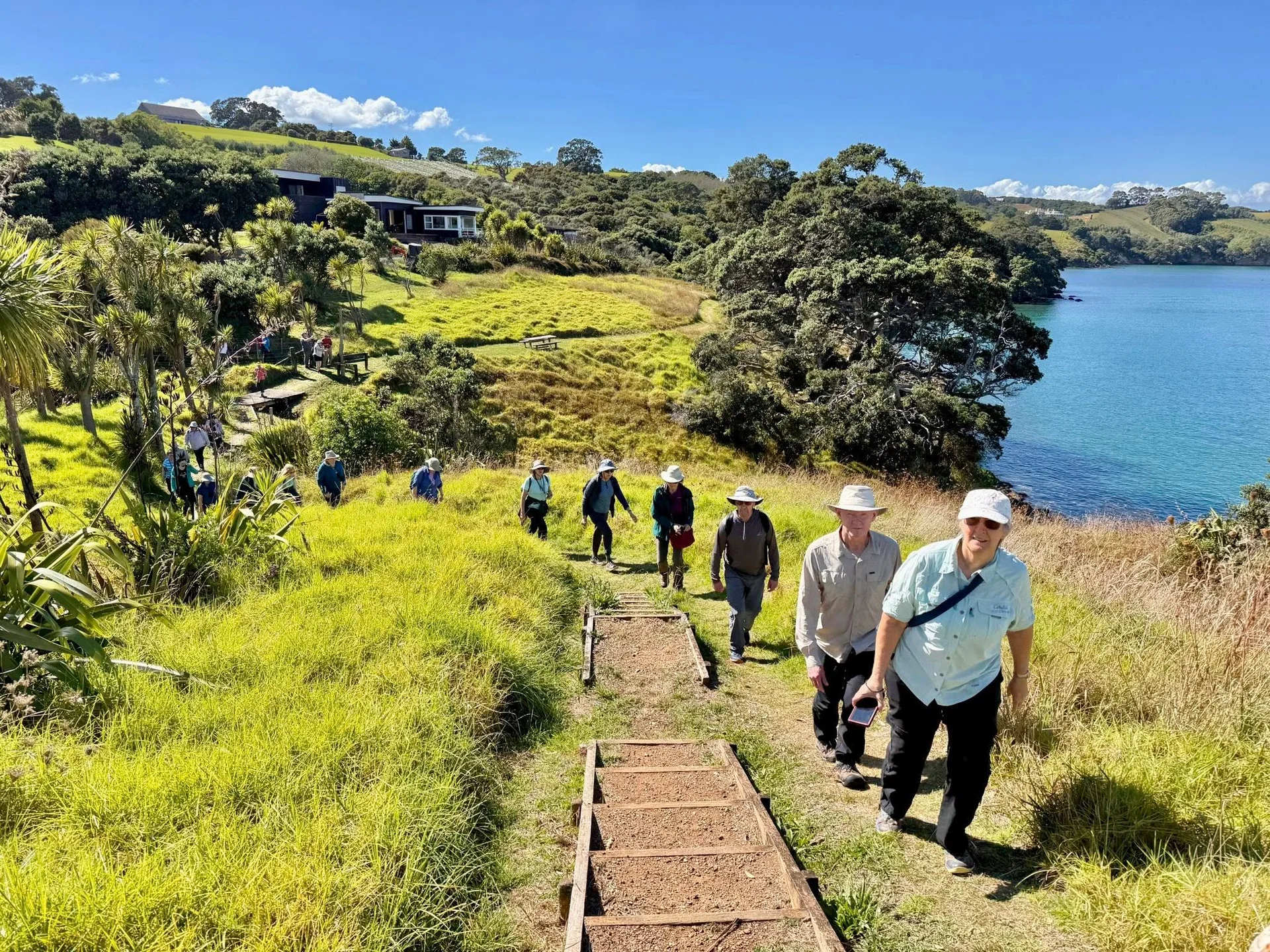
A walking tour can answer those questions well because the day has shape. You move, pause, learn, eat, and move again. WAI’s walking tours for active adults are built around that human pace, with the logistics handled in the background.
Match Ambition to Energy
One of the quiet freedoms of this stage of life is that you do not have to prove anything. You can choose the trip you will enjoy, not the trip that sounds most impressive at a dinner party. That might mean a relaxed cultural itinerary with city walks and long lunches. It might mean a national park tour with more trail underfoot. It might mean a river-based program where the ship gives you a home base and the walking happens in chosen portions.
The practical tool is pace. WAI rates each tour with two numbers: Tour Pace for the overall rhythm of the trip, and Walk Challenge for the walks themselves. A tour can be physically easy but logistically busy. Another can have a calm schedule with one demanding trail day. The numbers help you separate those things before you book. The fitness guide goes deeper on how to read them.
The right retirement trip should feel like freedom, not like a test you forgot to train for.
Look for Support You Can Feel
Support is not only about emergencies. It is about the ordinary frictions that can wear down a good trip: finding the trailhead, understanding the terrain, knowing where dinner will work, getting luggage between hotels, adjusting when weather changes, and having someone notice if the pace is stretching too far.
On WAI tours, two guides travel with every group. One leads, and one sweeps at the back. That matters for walking pace, but it also changes the emotional texture of the trip. You do not have to manage the day alone. You do not have to worry that slowing down for a photograph means being forgotten. You can be independent without being unsupported.
Good support also means honest expectations. WAI is walking-first. Every walk is optional, and shorter alternatives are often possible, but travelers still need enough mobility for transfers, excursions, hotel movement, and the general rhythm of an active tour. When in doubt, ask before booking. A good fit at the start saves everyone stress later.
Community Counts More Than People Expect
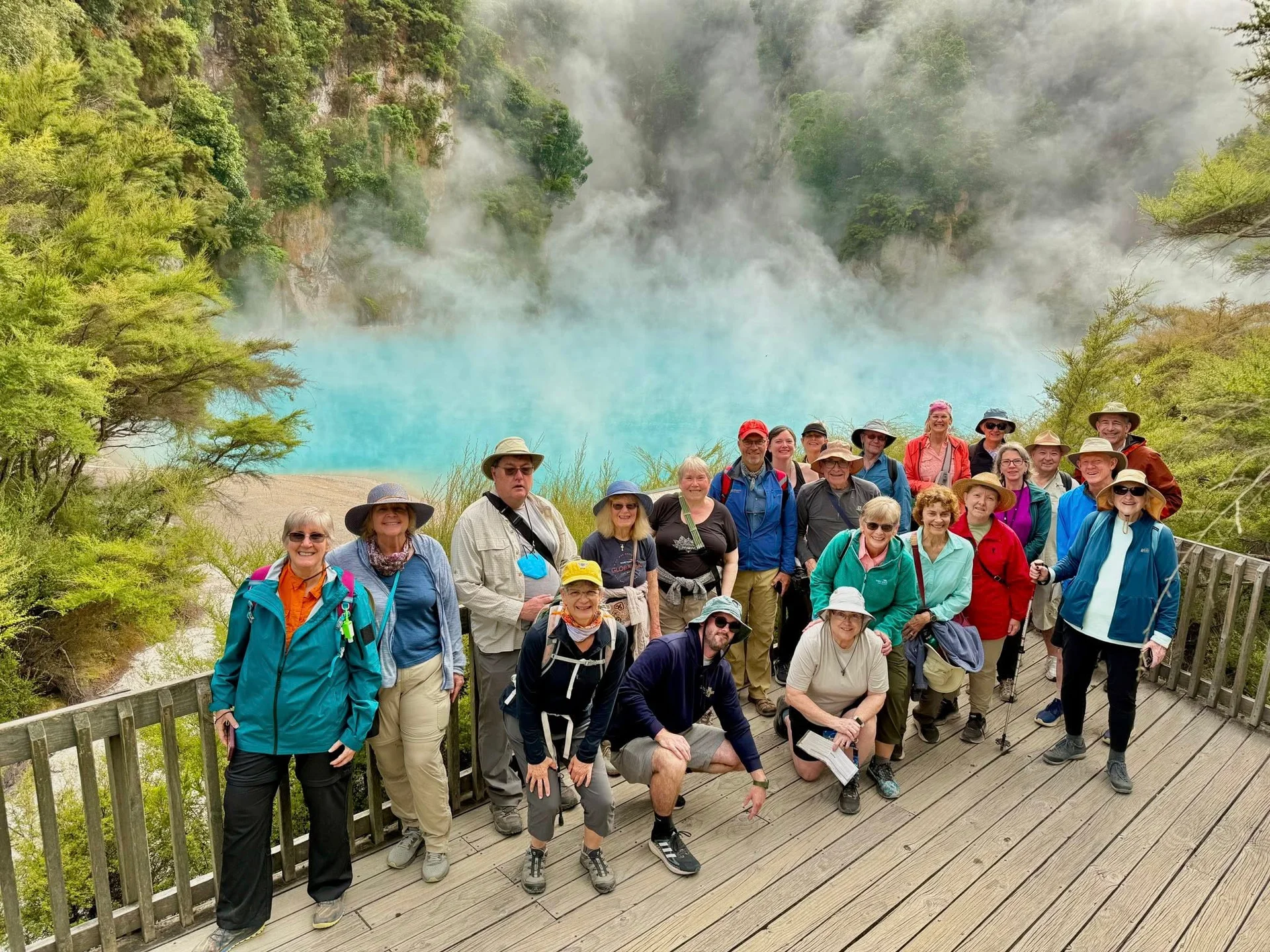
Many retired travelers care less about luxury than belonging. They want dinner conversation with people who are curious. They want guides who know them by name. They want to travel with people who still want to learn, laugh, and get out the door in the morning.
This is where small groups earn their keep. A group capped at a human scale gives people room to become familiar. Repeat travelers help set the tone, because they already know the rhythm and tend to welcome newcomers into it. Solo travelers are common, too, and a walking itinerary makes connection easier because conversation happens naturally along the way.
If traveling alone is part of the decision, read Solo, Not Alone. The short version: solo does not need to mean isolated, especially when the trip gives people something real to do together every day.
Questions Worth Asking Before You Choose
- How many miles do I enjoy walking on back-to-back days, not just once?
- Do I want one hotel base, a few bases, or am I happy moving often?
- Do I prefer city streets, coast paths, countryside lanes, national parks, or a mix?
- How much independent time feels freeing, and how much starts to feel lonely or tiring?
- Would I rather pay for a single room, use roommate matching, or travel with someone I know?
- What kind of tired do I like at the end of a day?
That last question may be the most useful. Some tired is satisfying: the good ache after a beautiful walk, the mental fullness after a guide explains a place well, the pleasant hush after dinner with people you enjoyed. Other tired is avoidable: too many hotel changes, too little downtime, terrain that makes you anxious, or a trip chosen because it sounded like something you should still be able to do.
The Best Trips Give You More of Yourself
Travel after retirement is sometimes framed as a last chance. That is too small a frame. The better version is a new chapter of attention. You may have more time now to read before you go, to stay an extra day, to travel outside the most crowded windows, to choose depth over speed, and to come home with stories that are not about checking something off.
A walking tour is not the right fit for everyone, but it is a strong fit for travelers who want to stay active, keep learning, and let a place reveal itself at ground level. Start with the daily rhythm. Check the ratings. Ask the practical questions. Then choose the trip that makes you think, Yes. I can see myself there.