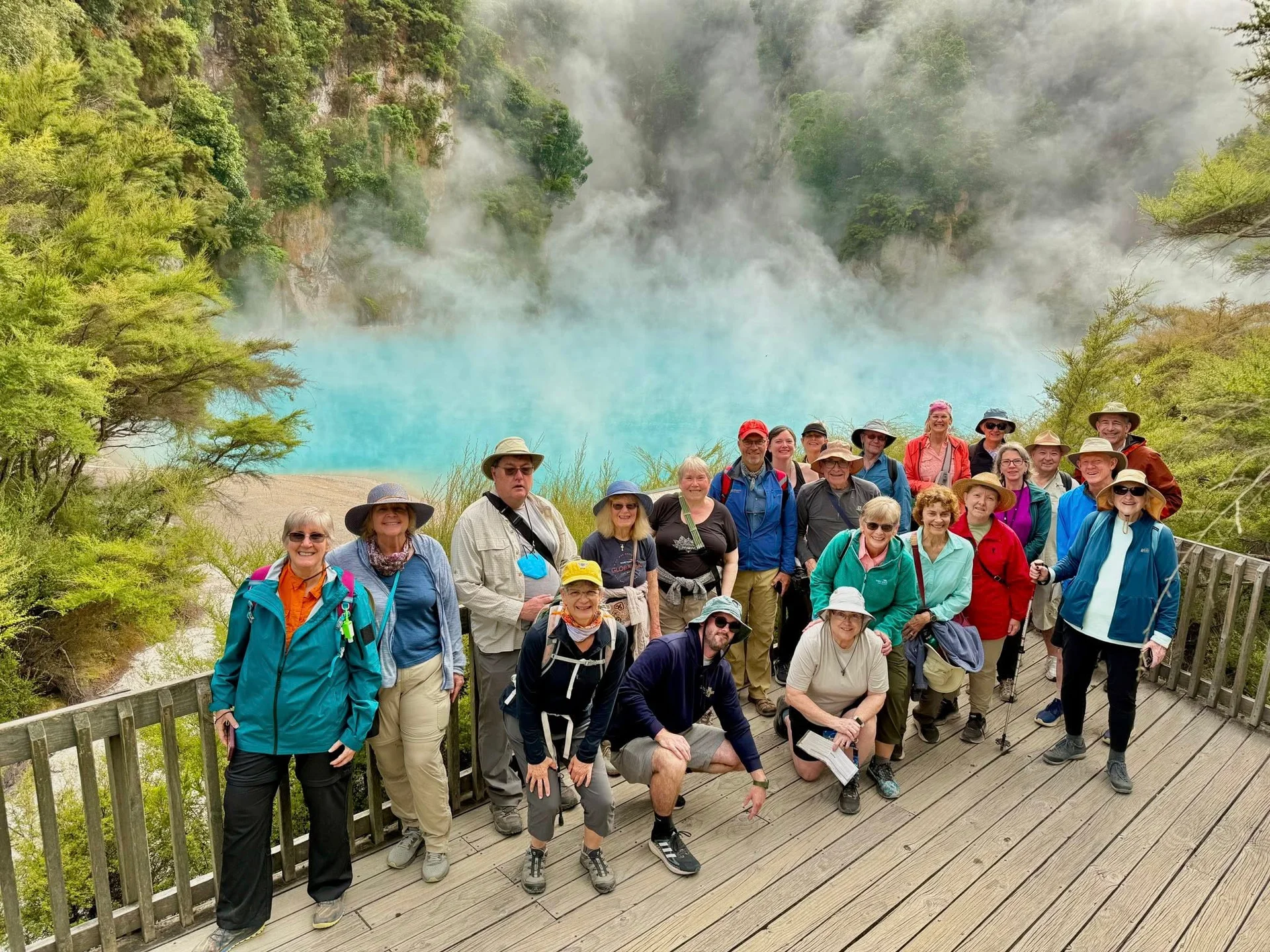
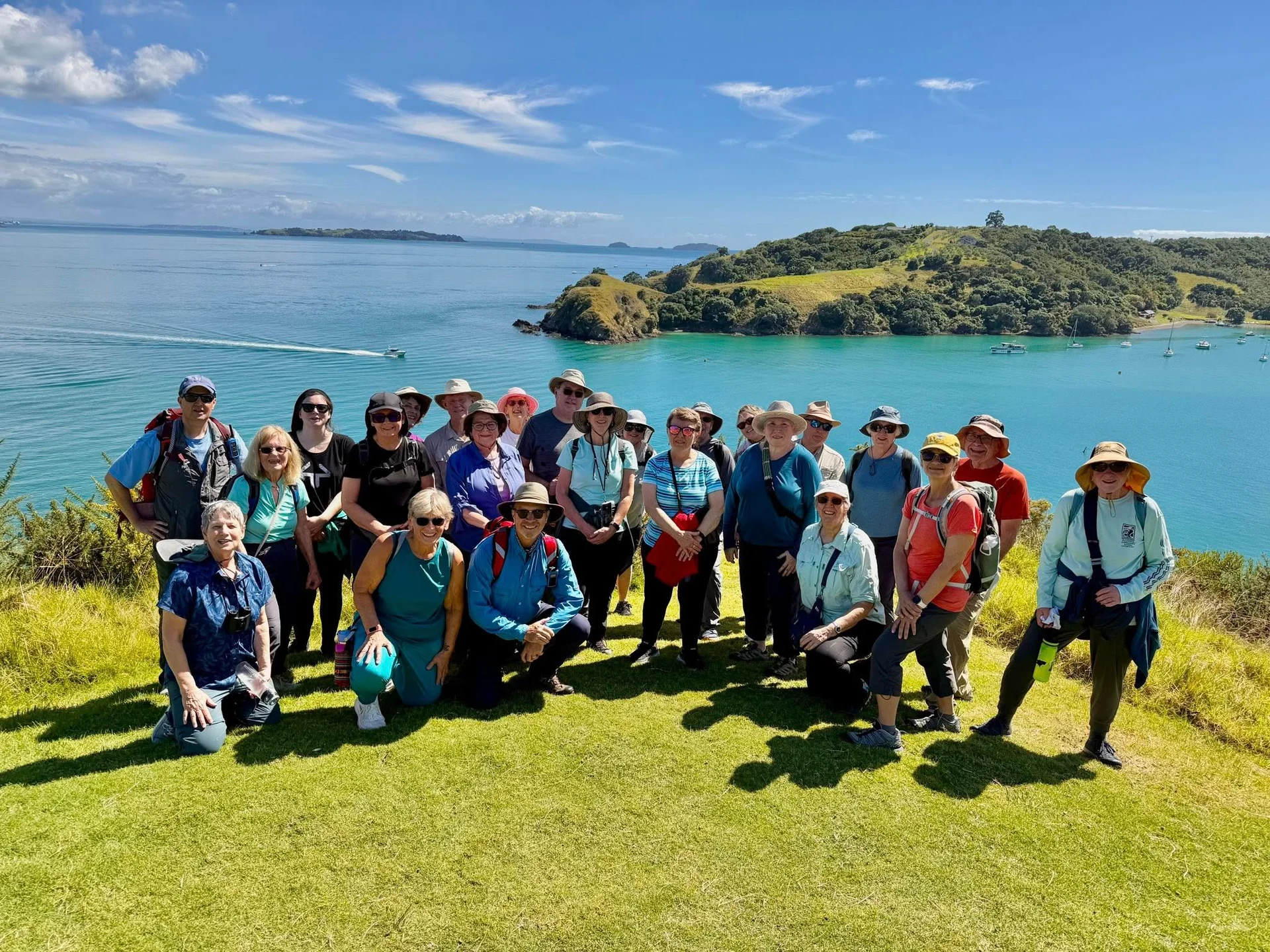
There are plenty of reasons someone ends up considering a trip alone. A spouse does not travel anymore. Friends are interested but never quite ready. A favorite destination appears on the calendar, and waiting for the right companion starts to feel like waiting too long.
Solo travel after 60 is often described as brave, but most of the time it is more practical than dramatic. You want to go. You do not want to manage every transfer, dinner reservation, trail decision, and museum ticket on your own. And you would rather spend the week with people who are also there to walk, learn, and pay attention.
That is where a small walking group can be unusually good. You arrive solo, but the structure of the trip gives you repeated, low-pressure chances to belong: the first dinner, the first morning walk, the shared coach ride, the moment everyone stops for a photograph because the light changed.
The First Evening Is the Hardest Part
For many solo travelers, the hardest moment is not the walking. It is walking into the room at the start. Everyone else looks as if they might already know someone. You wonder where to sit. You wonder whether dinner will feel awkward.
On a well-run small group tour, that moment passes quickly. Your guides know who is traveling solo. They know who has traveled with WAI before. They know which repeat travelers naturally make newcomers feel included. The welcome dinner is not just a meal; it is the first piece of group architecture.
By the next morning, there is something to do together. That changes everything. Walking gives strangers an easy subject: the weather, the first hill, the bakery you passed, the bird someone noticed, the guide story that made everyone laugh. Conversation can come and go without pressure because your feet are already moving.
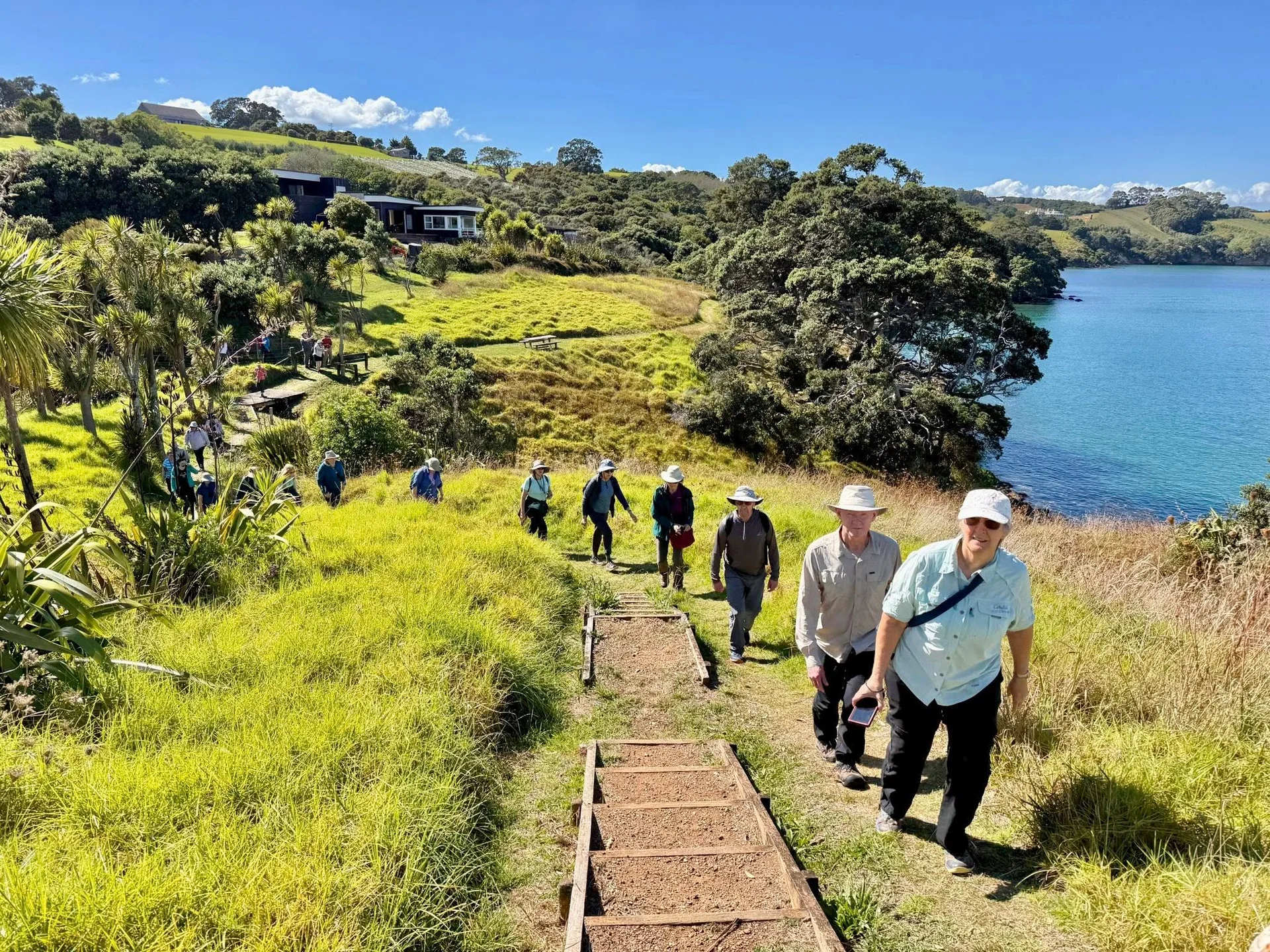
Walking creates an easy rhythm for conversation, quiet moments, and becoming part of the group.
Why Walking Makes Group Travel Easier
A walking tour creates a different social rhythm than a bus tour. You are not sitting beside one assigned person for hours while the destination passes outside the window. You move in and out of conversation. You walk with one person for ten minutes, drift back to hear the local guide, pause for water, then find yourself beside someone else on the next stretch.
That flexibility matters. It gives introverts room. It gives outgoing travelers plenty of connection. It lets friendships form without forcing them. By the end of a few days, people know who likes birds, who always finds the good coffee, who wants the front seat on the coach, and who remembers the name of every historic figure mentioned before lunch.
WAI keeps groups intentionally small, with two guides on every trip. One guide leads; one sweeps at the back. That guide structure is partly about pace and safety, but it also changes the feeling of the group. You are not managing the day by yourself, and you are not disappearing into a crowd. For many solo travelers, that is the relief: independence without isolation.
Rooming Choices: Privacy or a Match
Rooming is one of the practical questions solo travelers think about early. WAI pricing is generally based on double occupancy. If you prefer your own room, you can request a single room and pay the single supplement listed for that tour. If you would rather avoid the supplement and are open to sharing, WAI offers a roommate matching service when possible.
There is no one right answer. Some travelers value the quiet of a private room at the end of an active day. Others enjoy having a roommate to compare notes with in the evening. The important thing is knowing the choice exists, and asking early enough that the office can talk through what is realistic for the tour you want.
You can read more about rooming, hotels, and solo travel in the WAI FAQ. Tour pages also show single supplement details when they are available.
Meals, Free Time, and the Middle of the Day
Solo travelers often ask about meals because meals are where loneliness can show up. WAI tours usually include a mix of group meals and independent meals. Group meals give the tour a shared rhythm. Independent meals give you freedom to wander, rest, or follow a recommendation from your guides.
That balance is helpful. You are not abandoned to figure everything out every night, and you are not locked into group dining every time you are hungry. When an evening is independent, your guides and local partners share restaurant suggestions, neighborhood advice, and practical details so you are not starting from zero.
Free time works the same way. You can join others for a museum, sit in a square with a coffee, or go back to the hotel and take the kind of nap that only makes sense after a good morning walk. Traveling solo does not mean being available to everyone all the time. It means you can choose.
You arrive solo, but the walking gives the group something to share before anyone has to perform being social.
How to Choose a Solo-Friendly Trip
Almost any WAI tour can work for a solo traveler, but the best first fit is usually the one that lowers the number of unknowns. Look for a pace you feel confident about. Read the day-by-day itinerary. Notice how often the group changes hotels. Think about how much independent time you enjoy and how much structure helps you relax.
- If you are new to group travel, choose a tour with a comfortable pace rather than the most ambitious itinerary on your wish list.
- If you like social time but need evenings to reset, request a single room if it fits your budget.
- If you enjoy sharing and want to keep costs lower, ask about roommate matching early.
- If you are anxious about walking speed, read the Adventure Pace ratings and ask about the specific terrain.
- If you are used to planning everything yourself, let the structure help you. That is part of what you are paying for.
The deeper question is not whether you are allowed to travel solo. Of course you are. The question is whether the trip gives you enough support to relax into the experience. A small walking group often does that beautifully. You still get the independence of choosing the destination for yourself. You also get the pleasure of turning a corner and having someone beside you say, Did you see that?
A Note on Age
WAI does not build tours around age as a personality trait. Travelers range from grandchildren to active octogenarians, with many in their 60s and 70s. The common thread is curiosity, a love of walking, and a preference for travel with substance. More than half the travelers on many WAI departures have traveled with us before, which means first-timers often join a group where confidence in the experience is already built in.
That matters when you are arriving on your own. Repeat travelers remember what the first evening felt like. Guides know how to make introductions without making a production of it. And by the second or third walk, solo often stops being the defining fact. You are simply part of the group now, moving through the place together.