A river cruise can sound, at first, like the opposite of a walking tour. One suggests a ship, a cabin, a dining room, and scenery moving past the window. The other suggests shoes, hills, village streets, vineyard lanes, and the satisfaction of reaching a viewpoint under your own power.
But for the right traveler, those two ideas fit together very well. A river-based walking trip gives the day a different center of gravity. The ship becomes your home base. The walking happens in chosen places along the river: old towns, towpaths, vineyard terraces, market streets, castle approaches, and paths that make far more sense when you slow down enough to notice them.
This is not cruising instead of walking. At its best, it is walking with easier logistics around it.
The Home Base Changes Everything
Hotel changes are one of the hidden energy costs of travel. Even when someone else moves your luggage, packing, checking out, boarding the coach, arriving, and settling in again takes attention. On a river cruise, your room travels with you. You unpack once, learn the layout, and return to the same bed after each day's walking and exploring.
That steadiness can be especially helpful for active older travelers who still want full days, but do not want every day to include a new hotel routine. It creates a place to reset. If the morning walk was plenty, you can read on deck in the afternoon. If one day feels like too much, you may be able to stay on board, enjoy time in port, or rest while the ship moves and meet the group later.
The point is not that river-based tours are effortless. They still involve walking, stairs, gangways, cobblestones, and uneven old towns. The point is that the recovery is built closer to the day.
Where the Walking Happens
Rivers are old routes. Towns grew beside them because water carried trade, food, armies, stories, and people. That means a river cruise can bring walkers directly into the places where history gathers: the quay below a cathedral town, the path through a wine village, the bridge that once controlled a crossing, the hill above a bend in the river where a castle watched traffic for centuries.
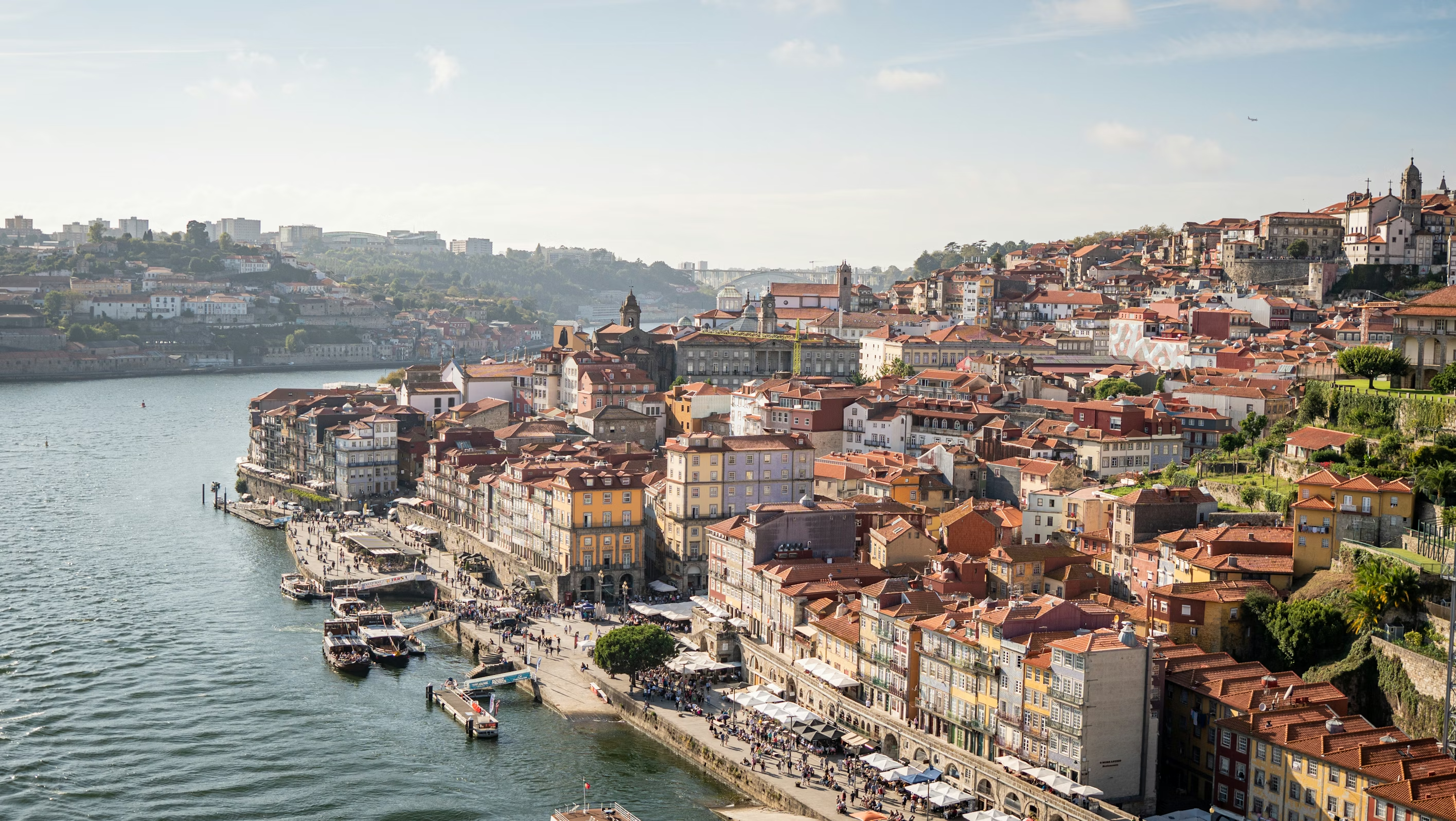
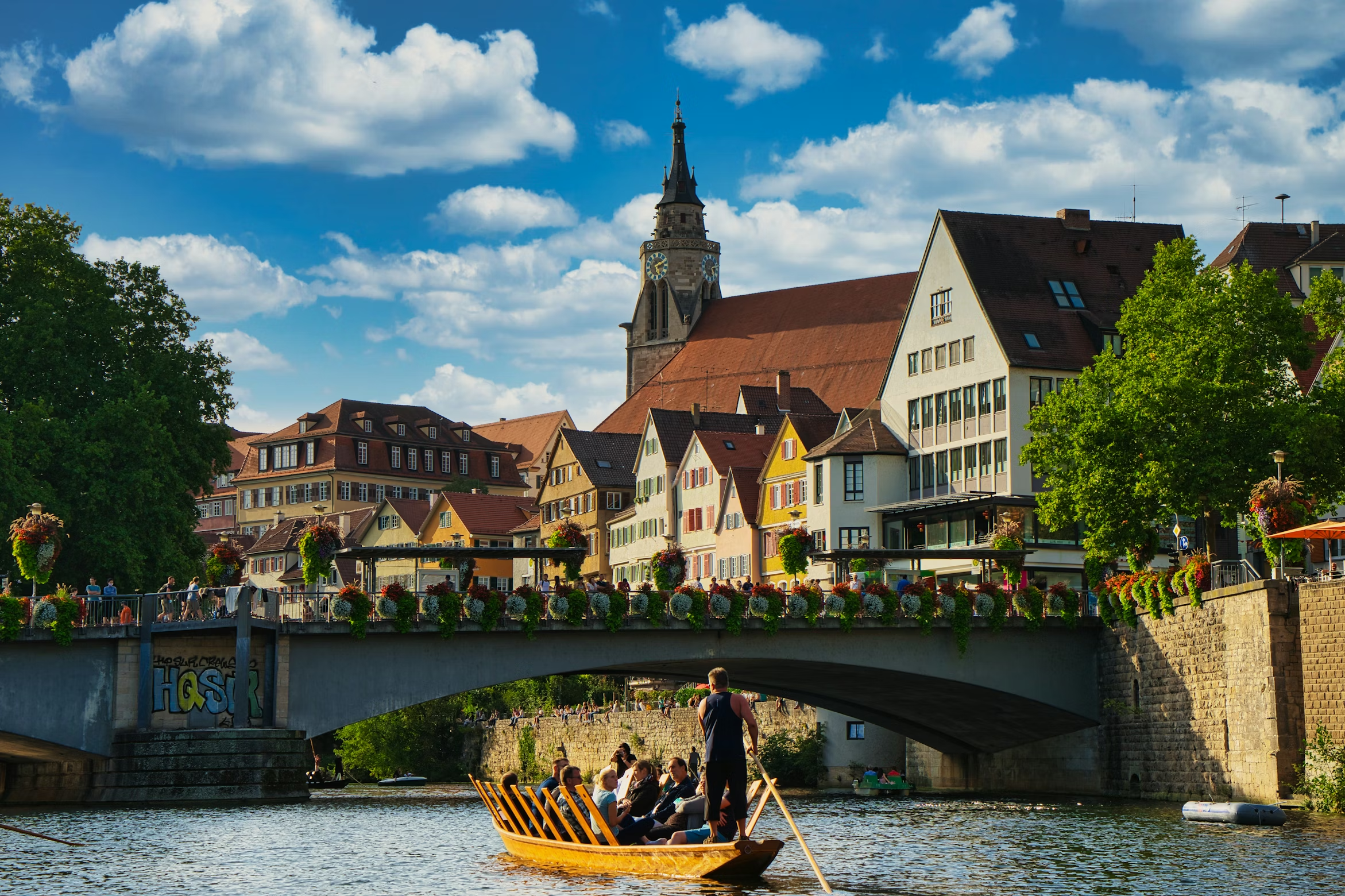
On the Douro, the walking story is tied to vineyard terraces and steep hillsides shaped by generations of work. Some routes can be planned mostly downhill, and some can be shortened when needed, but the terrain still has character. On the Rhine, the walking often feels different: flatter riverfront paths, old town streets, vineyard edges, and the layered history of a river that has connected countries for a very long time.
Egypt adds a third rhythm. The Nile is not simply pretty scenery between ports. It is the reason the ancient world gathered where it did: temples, agricultural villages, desert edges, and river cities all drawn to the same green corridor. A walking tour of Egypt can move from pyramid plateau to market street to temple approach, while the river keeps reminding you how geography made the civilization possible.
The appeal is variety without constant relocation. You can wake in one place, walk through another, and let the river carry you toward the next day's landscape.
A river-based walking trip is not about doing less. It is about spending less energy on logistics, so you can spend more of it on the place.
Why It Can Work Well After 60
Many travelers do not want a less interesting trip as they get older. They want a smarter one. They want to keep moving, keep learning, and keep saying yes to beautiful places, while being honest about knees, stamina, sleep, and recovery.
A river-based walking itinerary can answer that honestly. The ship gives you a base. The walks give the trip purpose. The guides help interpret the terrain and the day. And when a lighter day is the right call, it may be possible to stay on board or choose a shorter version without feeling as if you have abandoned the tour. That matters for travelers thinking carefully about travel after retirement.
It also helps couples or friends with different walking appetites. One person may want the full vineyard walk; another may prefer the shorter route or a quiet morning on the ship. A good river-based program can sometimes hold both preferences inside the same day.
What to Ask Before You Choose
- How often does the ship move while the group is walking, and where do walkers rejoin it?
- Are the walks mostly flat river paths, city streets, vineyard slopes, or a mix?
- When a walk is shortened, is there vehicle support, an alternate route, or simply a place to wait comfortably?
- How many excursions require stairs, gangways, or walking from the ship into town?
- Are meals mostly on board, on shore, or a mix?
- What happens if weather changes the walking plan?
These questions are not fussy. They are how you match the trip to your real life. WAI’s Adventure Pace ratings help with the big picture, but river-based trips also deserve practical questions about ship access, shore terrain, and alternate plans.
Who Should Choose a River-Based Walking Trip?
This style tends to suit travelers who want daily discovery but appreciate a steady base. It is good for people who like unpacking once, sleeping in the same room, and letting the destination come in chapters. It is also good for travelers who want flexibility without giving up the social rhythm of a group.
It may not be the best fit if you want long, rugged trail days, remote landscapes, or the feeling of crossing a region entirely on foot. A river cruise has its own constraints: ship schedules, port times, docking locations, and water levels can all shape the plan. The trade is comfort and continuity for a little less wildness.
The right traveler sees that trade and thinks, That sounds like relief. A cabin to return to. A dining room where the next meal is not another decision. A river outside the window. A walk in the morning that still gives the day texture. For many active travelers, that is not a compromise. It is exactly the kind of travel that keeps the world open.
Portugal, the Rhine, Egypt, and the Bigger Idea
Portugal’s Douro, the Rhine, and Egypt’s Nile are natural examples because each river carries culture close to the water. Wine, trade, old towns, bridges, castles, temples, markets, and border stories all sit within walking distance of the river in one form or another. But the bigger idea is not any single itinerary. It is a way of designing travel for people who still want to move through places with intention, while giving themselves a steadier place to rest.
That is the sweet spot: not passive cruising, not endurance travel, but walking days with a home base. For the right traveler, the river does not replace the walk. It makes the walking easier to keep choosing.